 Fresh Cap
Unlock the secret to perfectly fresh mushrooms, every time.
Fresh Cap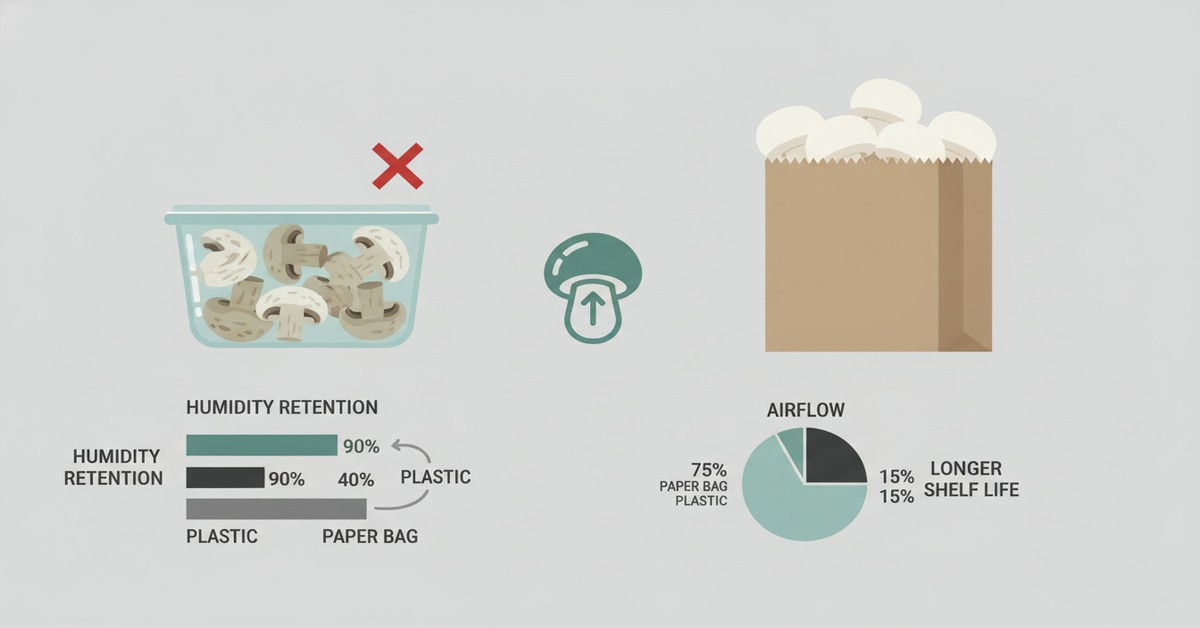
For many home cooks, the refrigerator crisper drawer, often filled with plastic bags or containers, is the default for storing produce. But if you're like the clever reason savvy cooks never store mushrooms in plastic, you're already ahead of the game. This seemingly innocent storage choice can significantly shorten the shelf life of your fungi, leading to slimy textures, accelerated spoilage, and wasted money.
For many home cooks, the refrigerator crisper drawer, often filled with plastic bags or containers, is the default for storing produce.
Mushrooms are unique. They are primarily composed of water and continue to "breathe" even after being picked. This process involves releasing moisture and absorbing oxygen. When mushrooms are sealed in a plastic bag or an airtight container, that essential airflow is cut off. According to insights often shared by culinary experts, this lack of ventilation creates a humid, stagnant environment.
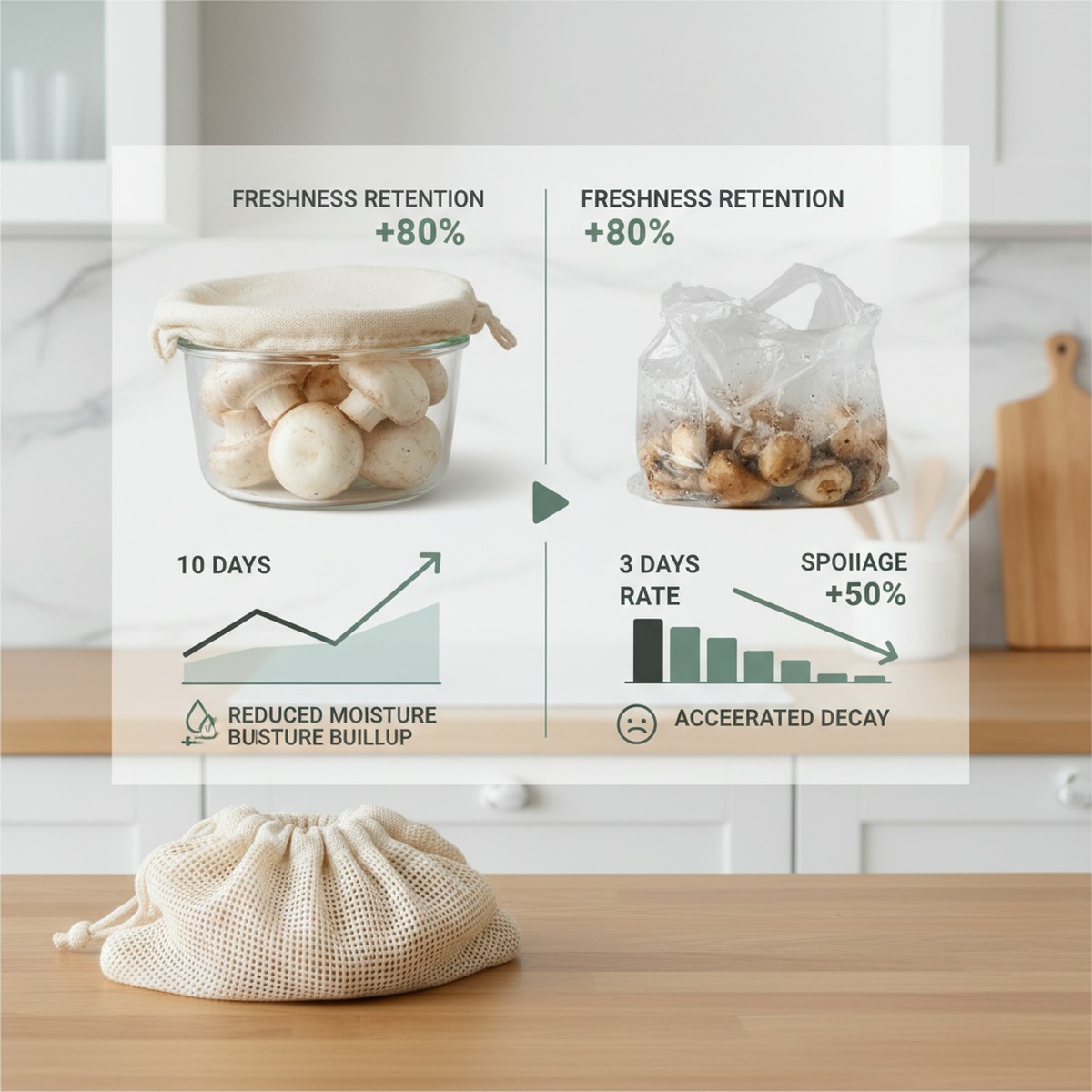
So, what's the better way? The secret lies in allowing your mushrooms to breathe. Savvy cooks understand that controlling moisture without suffocating the mushrooms is paramount to preserving their freshness and delicate flavor.
As WikiHow often explains in its food storage guides, the simplest and most effective method is to store whole, unwashed mushrooms in a brown paper bag. This could be a lunch bag or a standard grocery store paper bag.
Here's why this works:
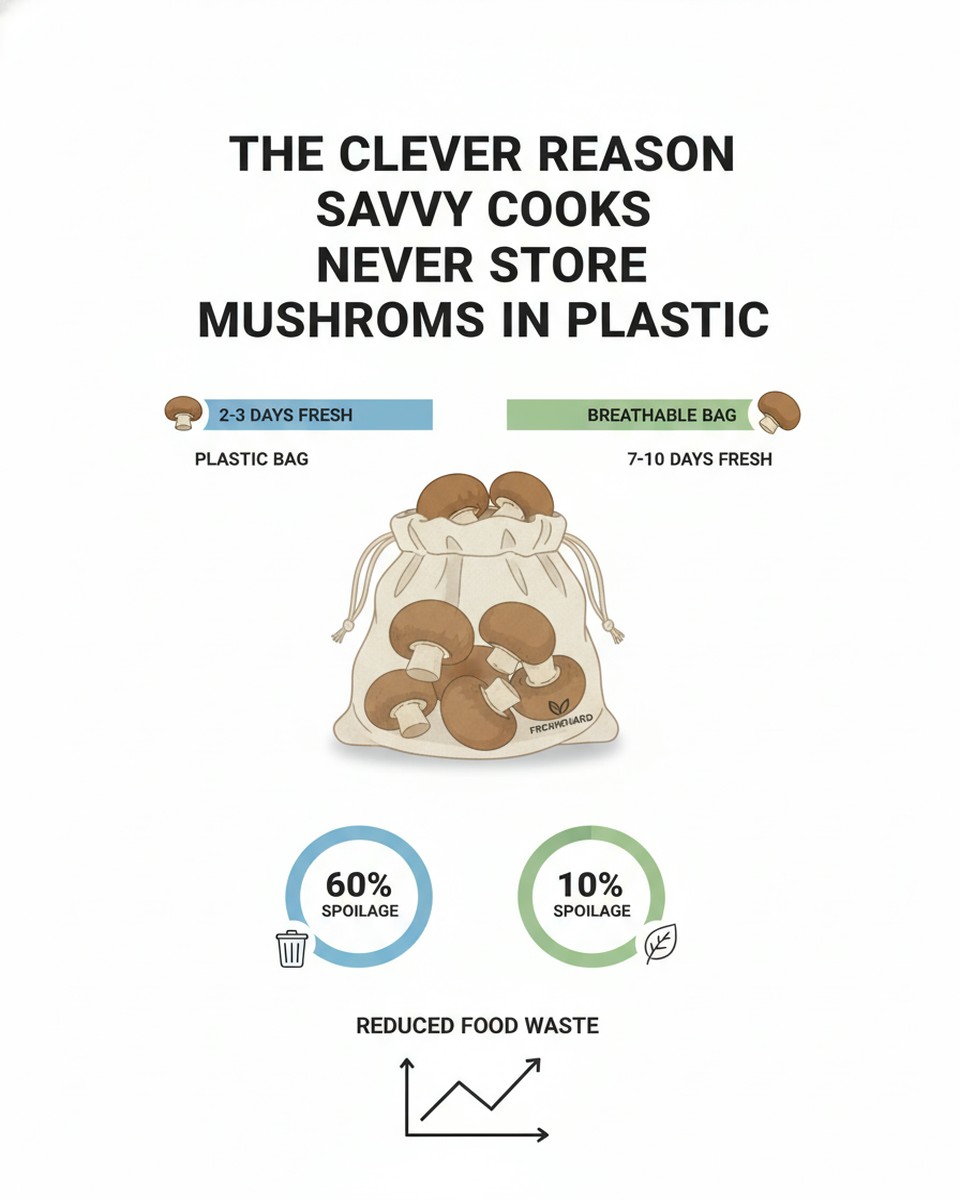
While a paper bag is a gold standard, other options exist. Some cooks opt for mesh produce bags, especially for mushrooms bought in bulk, which offer excellent airflow. Specialized produce containers designed with adjustable vents can also be effective, allowing you to customize the environment for optimal freshness.
Remember, always store mushrooms unwashed. Washing them before storage adds unnecessary moisture, which defeats the purpose of good storage practices. Only wash them right before you're ready to use them.
Making this small adjustment in your kitchen routine can significantly impact the longevity and quality of your mushrooms, ensuring they remain firm, flavorful, and ready for your next culinary creation.