 Fresh Cap
Unlock the secret to perfectly fresh mushrooms, every time.
Fresh Cap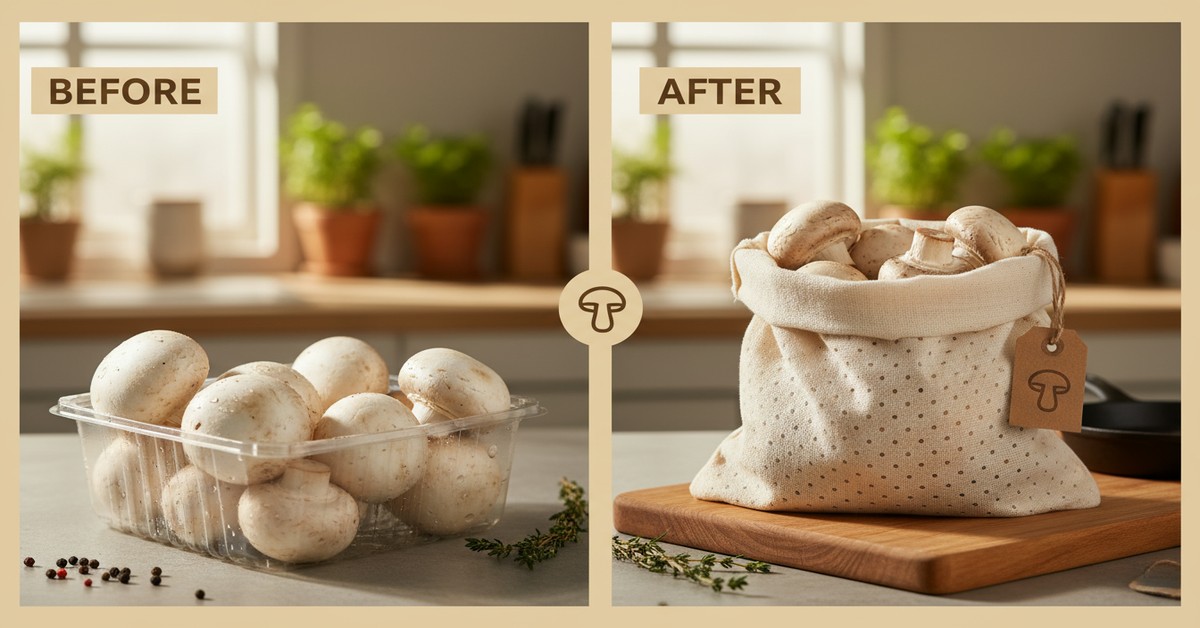
Mushrooms are a culinary delight, adding earthy depth to countless dishes. From a simple sauté to a rich risotto, their versatility is unmatched. However, anyone who has brought home a fresh batch knows their delicate nature. Storing them incorrectly can quickly turn firm, pristine mushrooms into a slimy, unappetizing mess. This common kitchen dilemma often leads to wasted food and disappointing meals.
Mushrooms are a culinary delight, adding earthy depth to countless dishes.
The key to extending the life of your mushrooms lies in understanding their biology. Mushrooms are essentially fungi, and unlike most vegetables, they continue to respire even after being harvested. This means they are constantly taking in oxygen and releasing carbon dioxide, along with moisture. The way they are stored profoundly impacts this process, directly affecting their texture, flavor, and longevity.
This brings us to The Clever Reason Savvy Cooks Never Store Mushrooms in Plastic. The main culprit in rapid mushroom spoilage is excess moisture. When mushrooms are sealed in a plastic bag or container, the moisture they naturally release becomes trapped. This humid environment creates a perfect breeding ground for bacteria and mold, accelerating their decay and leading to that undesirable slimy texture. The plastic also prevents proper air circulation, essentially suffocating the mushrooms and hastening their decline.
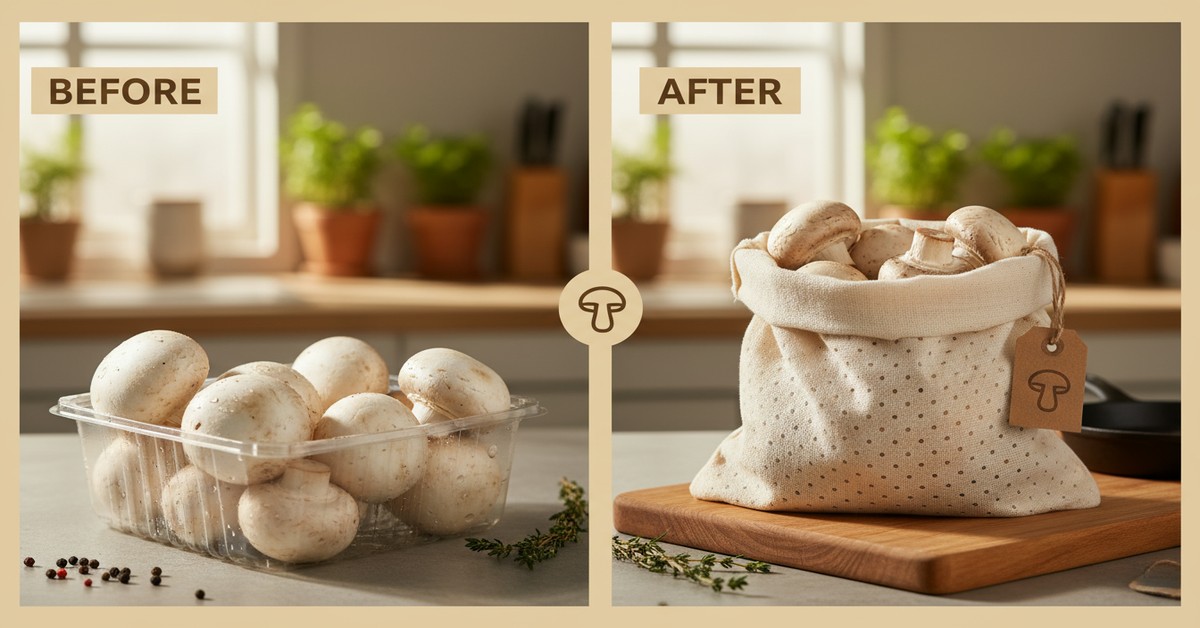
According to culinary experts at Cook's Illustrated, the best storage method mimics the natural, airy conditions mushrooms thrive in. They need to breathe. Instead of plastic, savvy cooks opt for materials that allow for airflow while still offering protection. The simplest and most effective alternative is a paper bag, such as a lunch bag or a brown paper grocery bag. Place your unwashed mushrooms directly into the bag, fold it loosely, and store it in the main compartment of your refrigerator.
Paper bags are permeable, allowing the moisture to escape and air to circulate, which keeps the mushrooms dry and slows down the spoilage process. This method helps maintain their firm texture and prevents them from becoming waterlogged. For even longer storage, some experts, like those at the USDA, suggest placing mushrooms in a single layer on a tray lined with paper towels, then covering them with more paper towels before placing them loosely in a container or a paper bag. The paper towels help absorb any excess moisture.
Another excellent option is a breathable produce container designed specifically for vegetables. These containers often feature vents or removable filters that regulate airflow and humidity. While an initial investment, they can be a sustainable and effective solution for keeping a variety of produce, including mushrooms, fresher for longer.
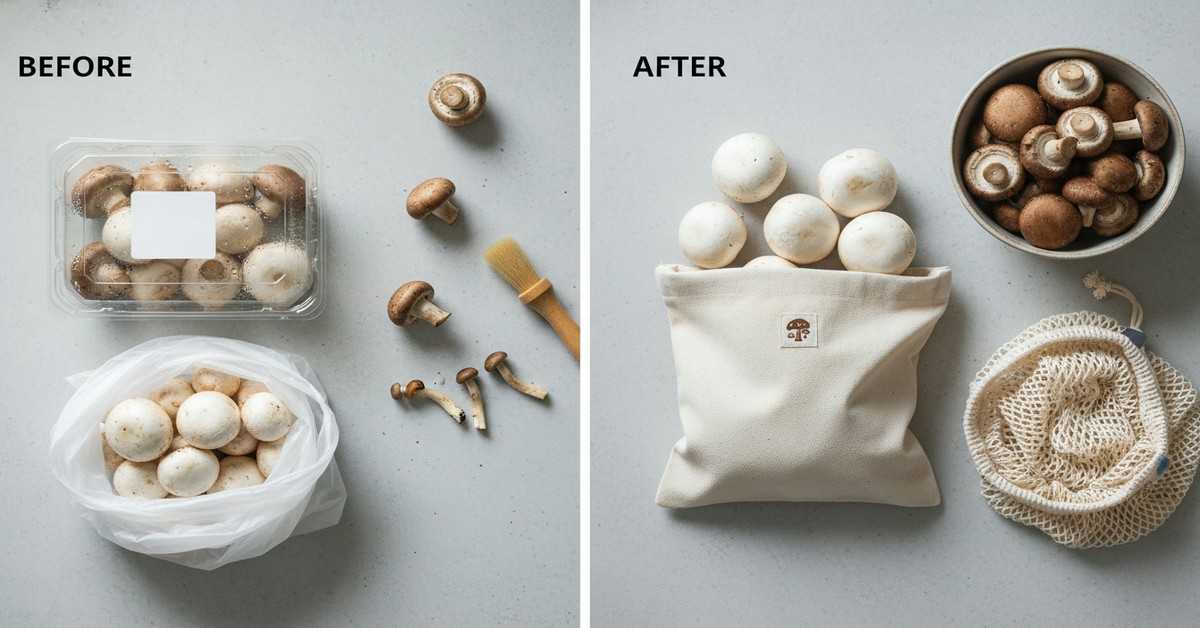
By simply swapping out plastic for a more breathable alternative and following these simple guidelines, you can significantly extend the life of your mushrooms, reduce food waste, and ensure they're always ready to bring their best to your next meal. It's a small change that yields big, delicious results in your kitchen.