 Fresh Cap
Unlock the secret to perfectly fresh mushrooms, every time.
Fresh Cap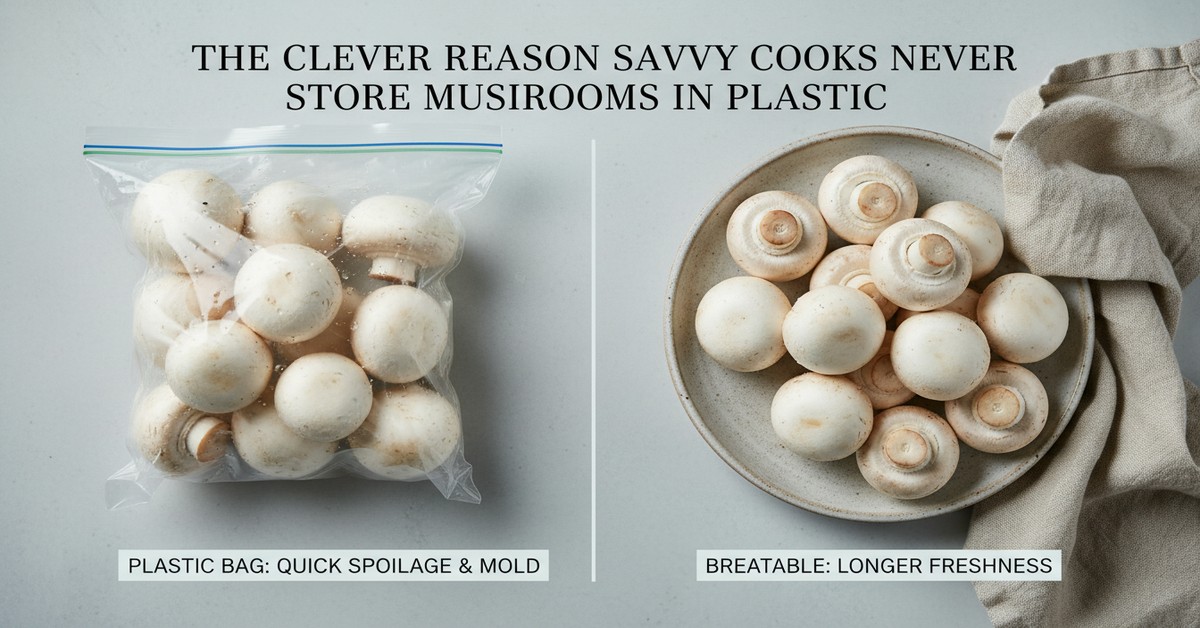
It’s a common sight in kitchens everywhere: a container of fresh mushrooms tucked away in a plastic bag or container, often destined to become slimy and unappetizing much sooner than anticipated. But savvy cooks, those who truly understand their ingredients, employ a different strategy. They know there's a clever reason to avoid plastic when storing mushrooms, a reason that dramatically impacts both freshness and flavor.
It’s a common sight in kitchens everywhere: a container of fresh mushrooms tucked away in a plastic bag or container, often destined to become slimy and unappetizing much sooner than anticipated.
Mushrooms are unique. Unlike many vegetables, they are highly porous and release moisture even after being harvested. When stored in a sealed plastic bag or container, this moisture gets trapped inside, creating a humid environment. This dampness, combined with the lack of air circulation, creates an ideal breeding ground for bacteria and mold. It accelerates the decay process, turning firm, earthy mushrooms into a soft, slimy mess in just a few days.
According to experts at Cook's Illustrated, the key to extending mushroom shelf life lies in managing moisture and allowing them to breathe. Plastic packaging essentially suffocates mushrooms, trapping the very humidity that leads to their rapid spoilage. This is the core of the problem: plastic prevents the natural evaporation process vital for keeping fungi firm and flavorful.
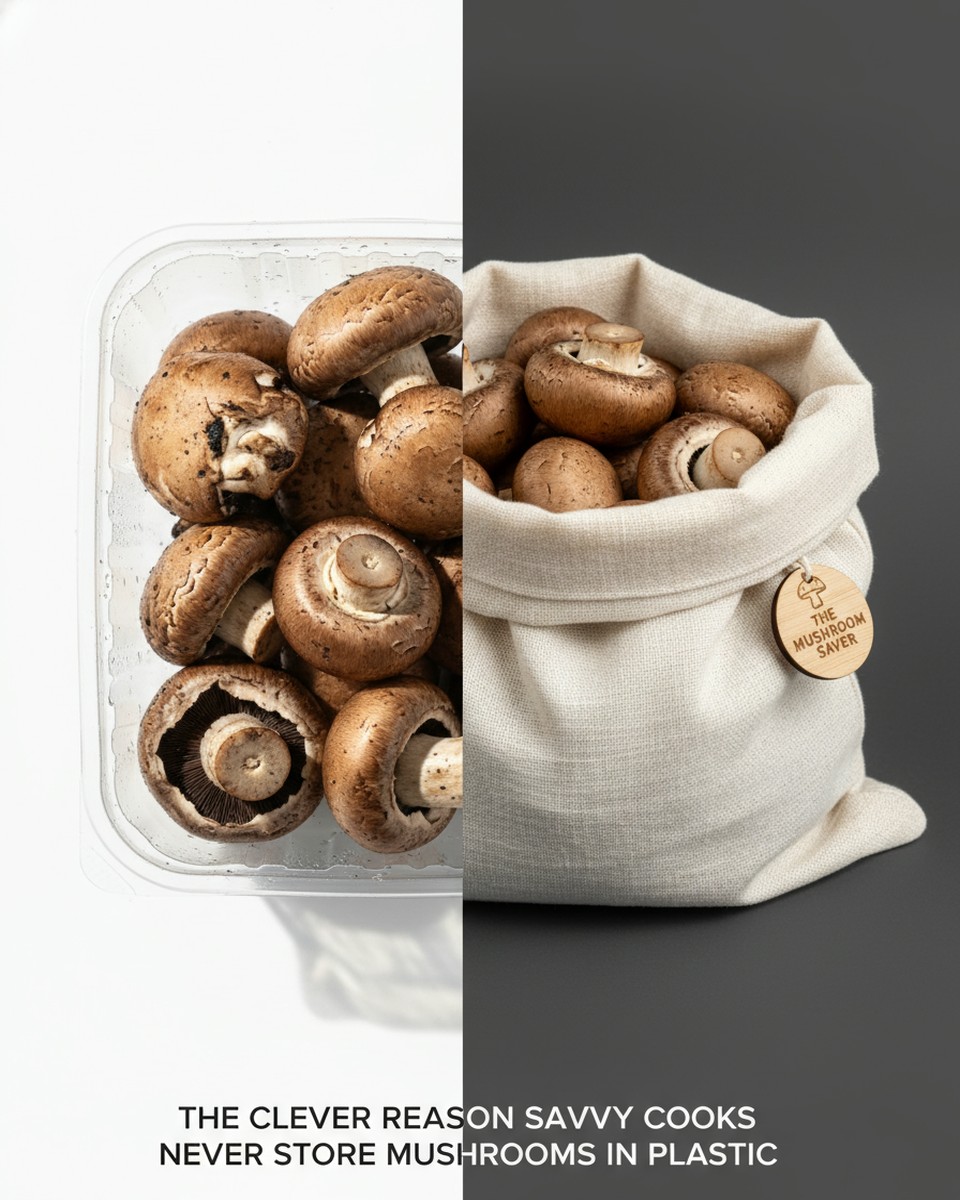
So, what do clever cooks do instead? They opt for breathable materials that absorb excess moisture and allow for proper air circulation. The most popular and effective methods include:
As explained by WikiHow, the goal is to replicate the dry, cool, and airy conditions that best preserve mushrooms in their natural state. This simple shift from airtight plastic to breathable materials can extend the life of your mushrooms by several days, sometimes even up to a week or more, depending on their initial freshness.
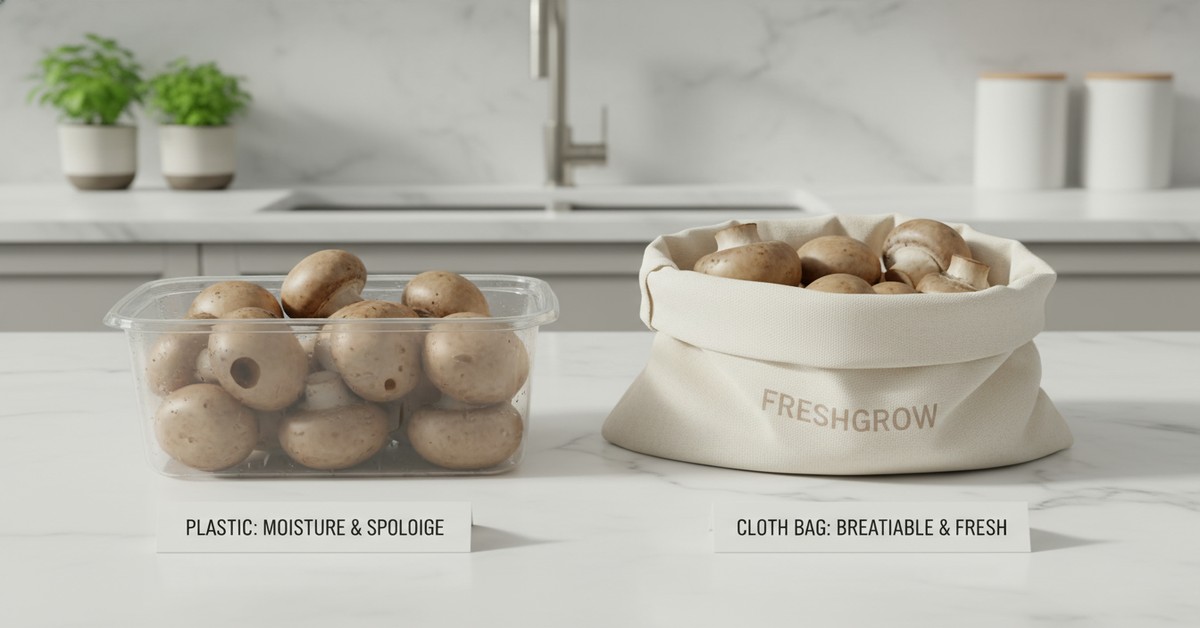
The benefits of proper mushroom storage go beyond just preventing spoilage. Keeping mushrooms dry and well-ventilated helps maintain their firm texture and rich, earthy flavor. Slimy mushrooms don't just look unappetizing; their texture is compromised, and their taste can become bland or even off. By adopting the savvy cook's method, you ensure that every mushroom you use is at its peak, ready to enhance your culinary creations.
The clever reason savvy cooks avoid storing mushrooms in plastic is straightforward: it's all about controlling moisture and enabling breathability. Making this small change in your kitchen can significantly reduce food waste, save you money, and ensure you always have fresh, delicious mushrooms on hand when you need them.