 Fresh Cap
Unlock the secret to perfectly fresh mushrooms, every time.
Fresh Cap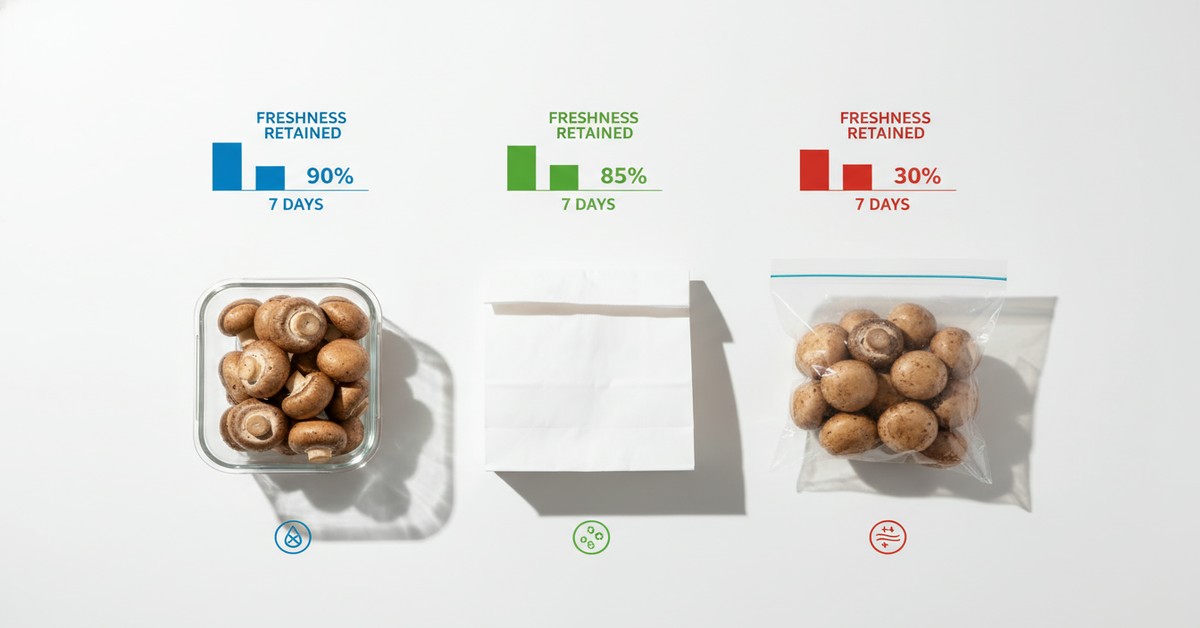
Mushrooms are a culinary delight, adding umami and depth to countless dishes. However, anyone who has purchased a fresh batch knows their shelf life can be frustratingly short. Often, they turn slimy or discolored within just a few days, even when stored in their original packaging. The key to preserving their freshness lies not just in refrigeration, but in understanding their unique physiology. This leads us to The Clever Reason Savvy Cooks Never Store Mushrooms in Plastic.
Mushrooms are a culinary delight, adding umami and depth to countless dishes.
While many foods benefit from airtight storage to prevent spoilage, mushrooms are an exception. They are fungi, not vegetables in the traditional sense, and they behave differently. Mushrooms are highly porous and continue to "breathe" or respire even after being picked. During this process, they release moisture. When stored in an airtight plastic bag or sealed container, this moisture becomes trapped.
Imagine a humid, enclosed environment: it's a breeding ground for bacteria. This trapped moisture, combined with the lack of air circulation, creates the perfect conditions for mold growth and accelerated decay. The mushrooms quickly become slimy, dark, and develop an unpleasant odor, rendering them unusable.
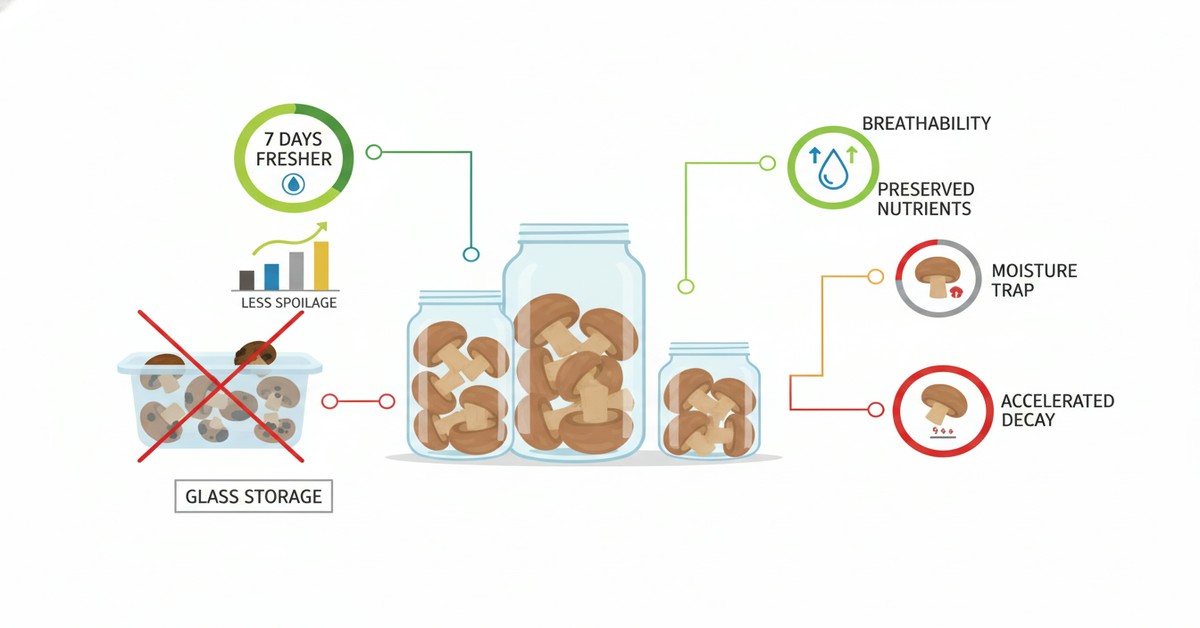
According to sources like Good Housekeeping, the primary issue with plastic storage is the inability of mushrooms to release the moisture they naturally emit. Fungi are around 90% water. As they respire, they transpire this water vapor. In a breathable environment, this vapor dissipates. In a plastic bag, it collects, forming condensation that sits on the mushroom's surface. This constant dampness breaks down their cell walls faster, leading to that characteristic slimy texture and rapid deterioration.
Furthermore, the lack of oxygen in a tightly sealed plastic environment can encourage anaerobic bacteria, which contribute to off-flavors and spoilage. Proper air circulation is crucial not just for drying excess moisture but also for allowing the mushrooms to maintain a healthy cellular structure.
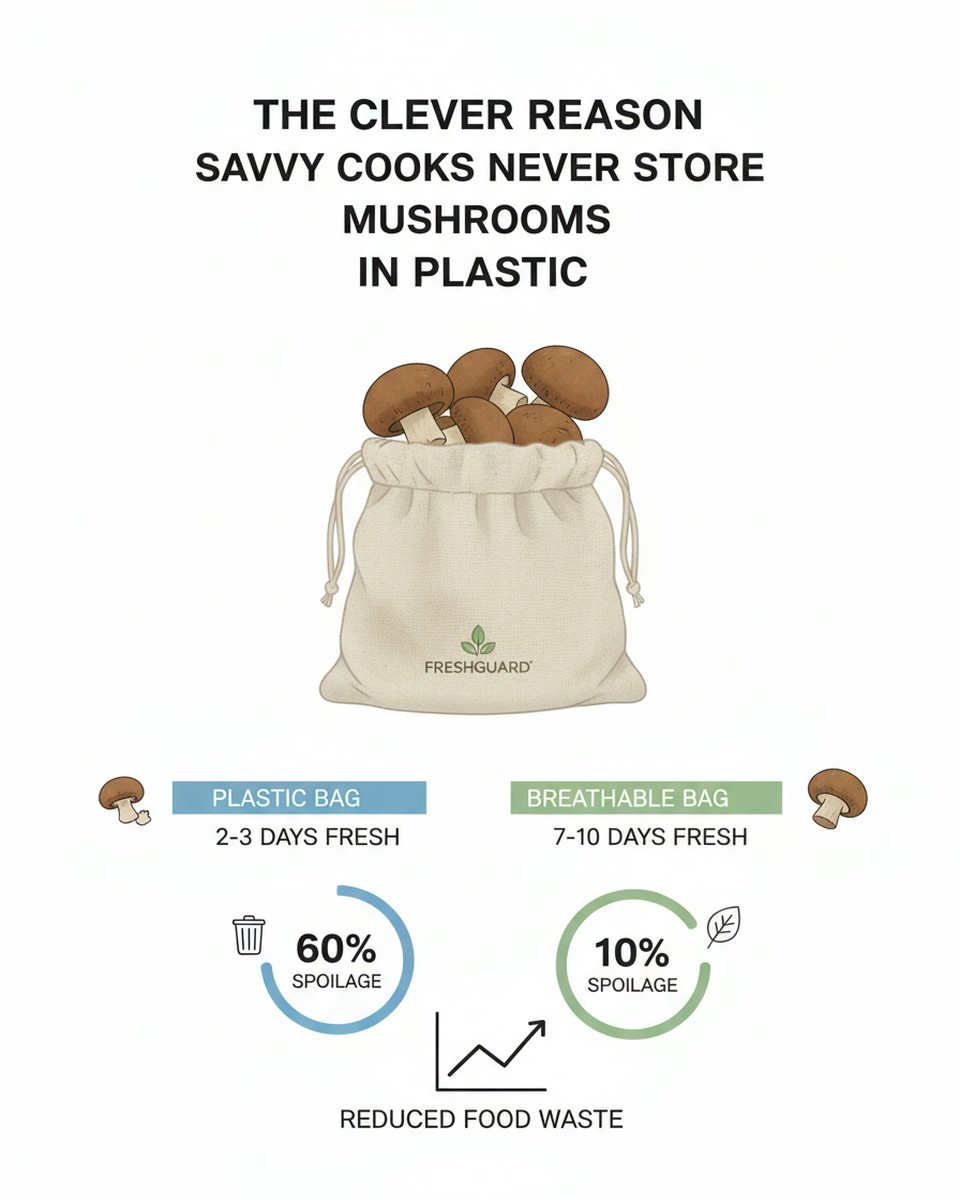
So, what's the alternative? The solution is surprisingly simple and involves providing your mushrooms with a breathable environment. Here are the preferred methods:
By making this small but significant change to how you store your mushrooms, you can dramatically extend their freshness, typically from just a few days to a week or even longer. This not only reduces food waste but also ensures you have delicious, firm mushrooms ready for your next culinary creation.
Embracing these clever storage practices means you'll enjoy better-tasting food and get more value from your groceries. It's a simple adjustment that yields impressive results in your kitchen.